When you’ve been burned by contractors before, you don’t hand over your property to just anyone. Mr. Bryan had been through it – hired people who cut corners, left messes, or didn’t finish what they started. So when he needed a 100′ x 150′ section cleared for a well rig, he was careful about who he called.
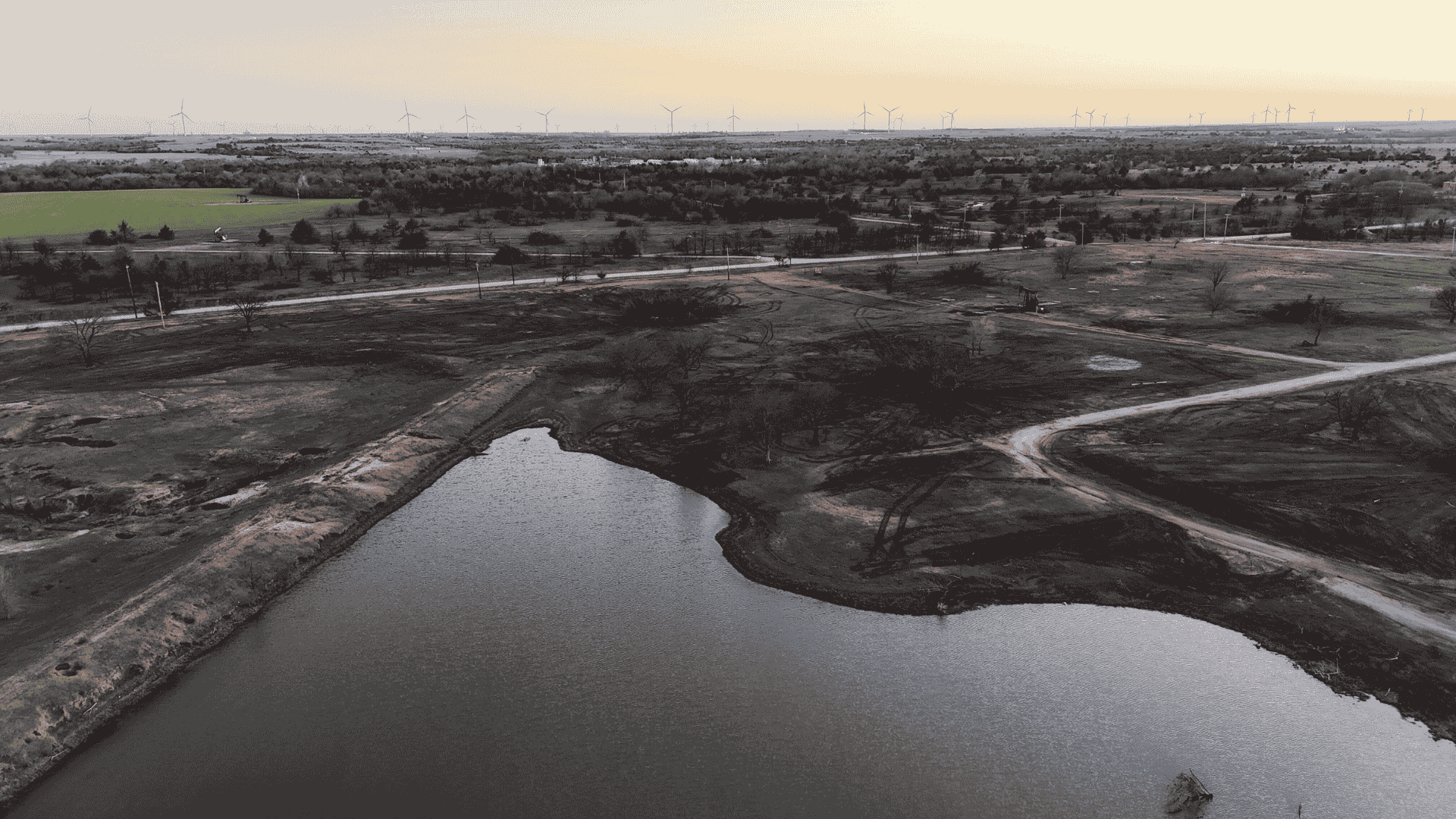
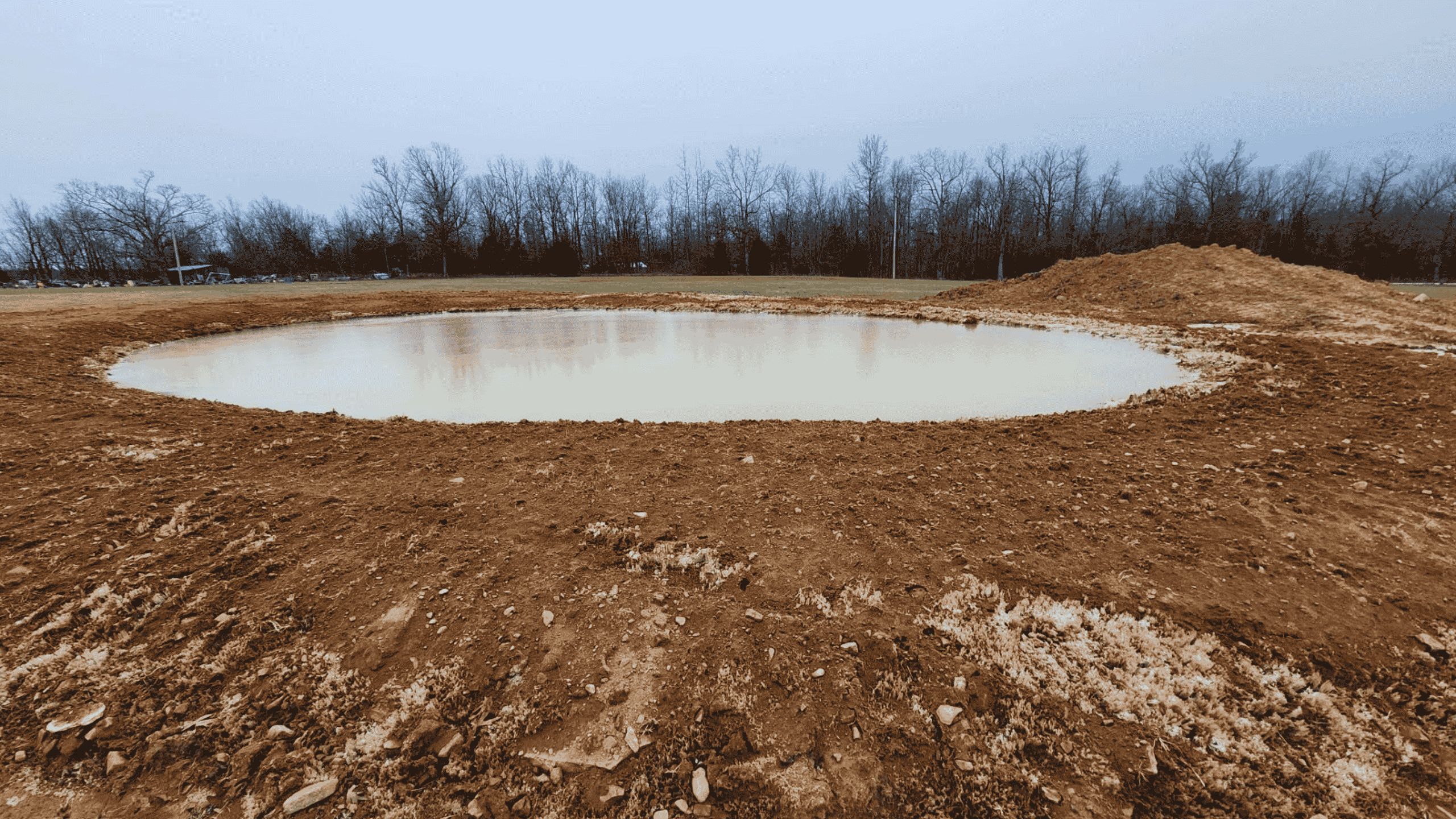
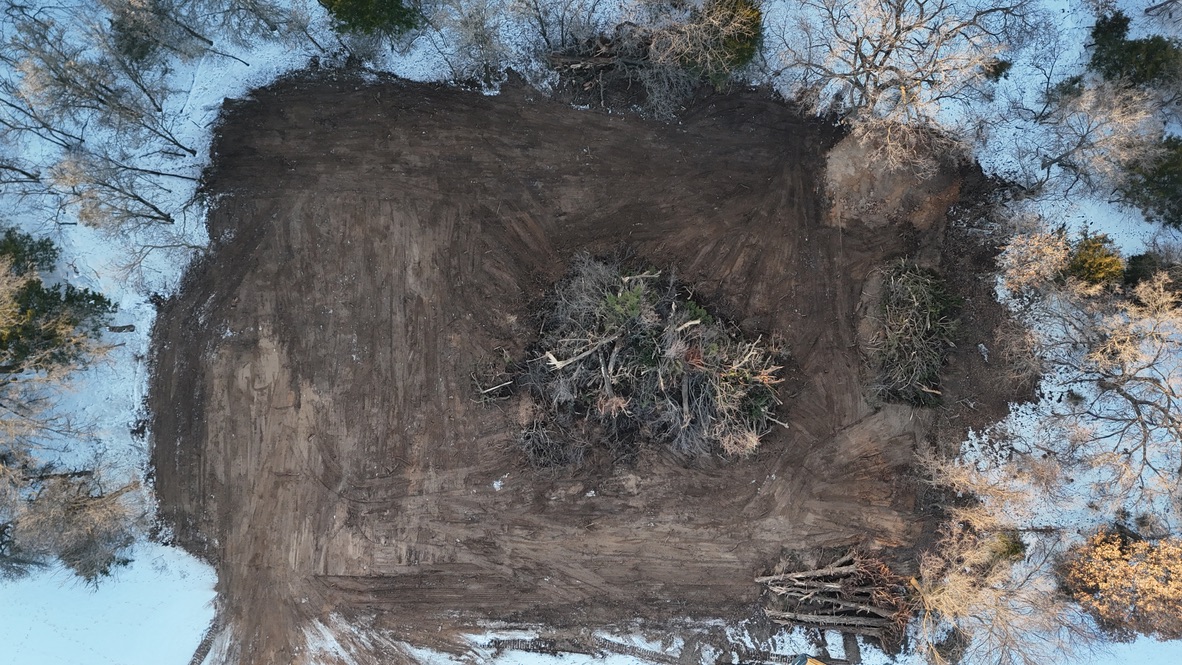
We walked the property, marked boundaries, cleared the brush and hardwoods, removed 10-11 cedars for milling, built a burn pit for debris, and built a flat 30′ x 30′ pad for the well rig to sit level during the fill. No callbacks, no rework, no unfinished business.
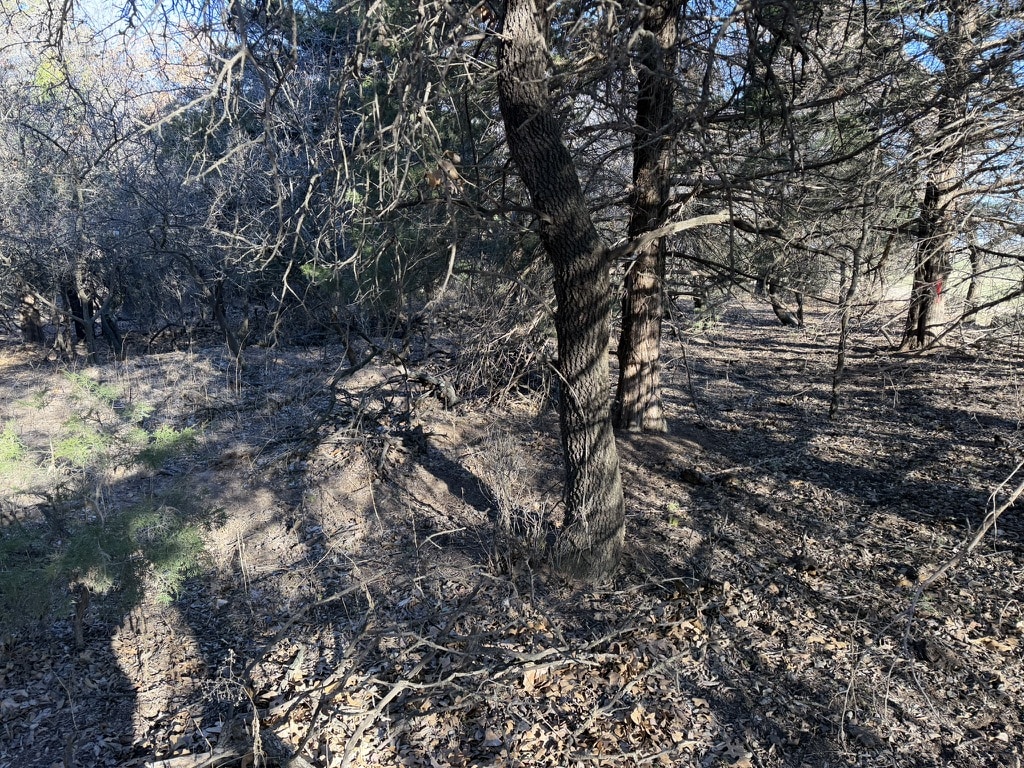
Mr. Bryan needed a section of his property cleared for a well drilling rig—100 feet by 150 feet of brush, hardwoods, and cedars that had to go. But he’d had bad experiences with contractors in the past. Work left unfinished. Promises not kept. The kind of jobs where you’re making phone calls for weeks trying to get someone to come back and fix what they should’ve done right the first time.
He was cautious. He wanted to know exactly what would happen, when it would happen, and that it would actually get done the way it was supposed to.
We started with a full walkthrough, marking all four corners to establish clear boundary lines before any equipment moved.
Small brush came out first using the excavator, pushed into piles at the edge of the clearing zone. This opened up sight lines across the site so we could assess the hardwoods and cedars and plan the removal sequence.
The excavator took down the hardwoods - tops and branches came off first and got piled separately from the brush. We keep hardwood debris separate because it burns differently and needs its own space in the pit.
0-11 cedars came out. Cedar holds up outdoors—it's good lumber for fence posts, deck boards, outdoor furniture—so Mr. Bryan wanted these saved for milling. We de-limbed each one on site and stacked the trunks where he could get them loaded for the mill.
We dug a 10' x 30' pit, 4 feet deep, positioned away from the clearing zone and any standing trees. Brush and hardwood debris went in and burned down over several days of controlled burns.
After the trees were out, the skid steer with a root rake worked across the cleared area. The rake pulls up roots, buried debris, and anything left under the surface that would cause problems for the well rig or future use of the land. Everything got piled for final disposal.
Tree and stump removal leaves holes and uneven ground. We filled the low spots with the excavator bucket and smoothed the surface across the full 100' x 150' area so it wasn't a mess of ruts and divots.
The well drilling company needs a level surface for their rig—unlevel ground means unstable equipment. We built a 30' x 30' pad, graded flat and compacted, positioned where the drillers specified. Ready for their trucks and equipment to roll in.
Mr. Bryan had reasons to be skeptical. Past contractors had given him problems—unfinished work, poor communication, having to chase people down to finish what they started.
We knew the only way to earn his trust was to do exactly what we said we’d do. Walk the property first. Mark the boundaries. Explain the process. Then execute it completely, with no loose ends.
— Mr. Bryan, Northern Oklahoma
Before we moved any dirt, we walked the property with Miss Nita. She showed us which trees to keep, where the old greenhouse debris was piled, and what she wanted the property to look like when we finished.
— Mr. Bryan, Northern Oklahoma
We provide pond construction services throughout Northern Oklahoma, including:
Whether you're prepping a home build site, need a level pad for a well rig, or have overgrown land that needs opening up